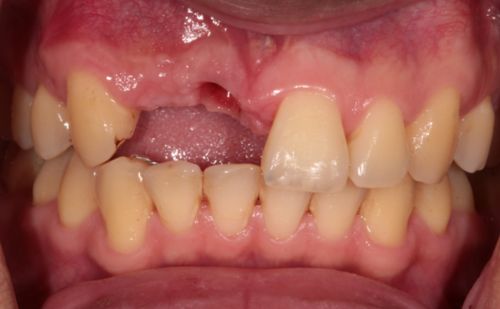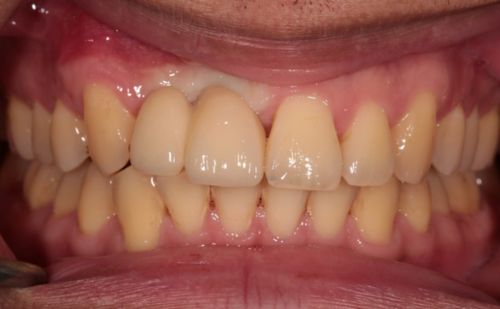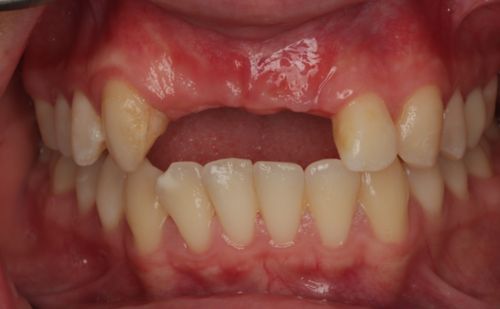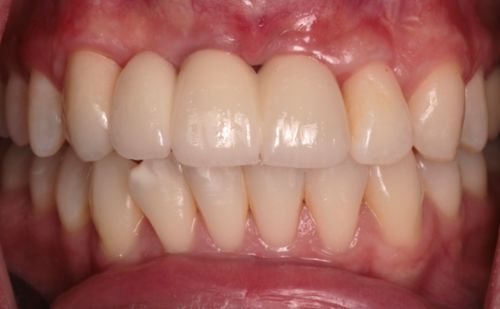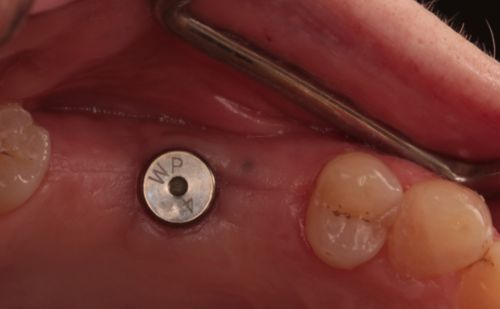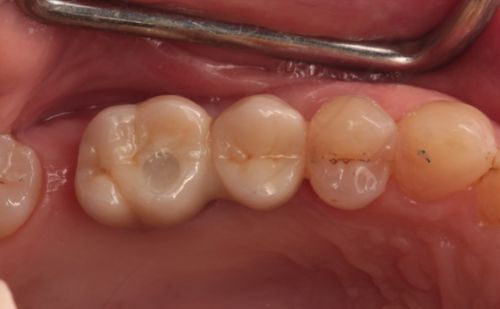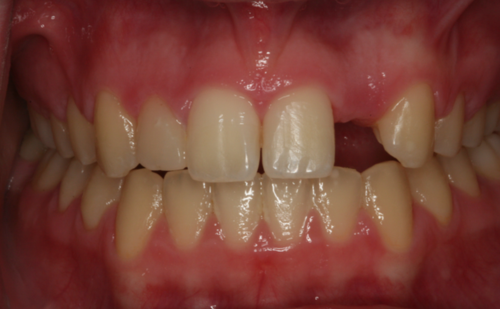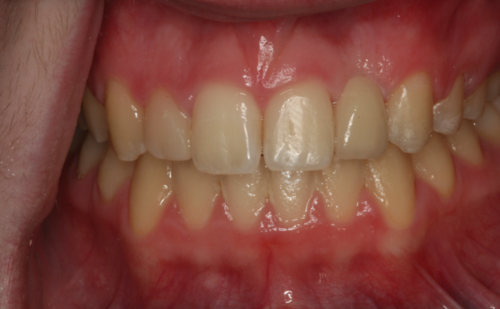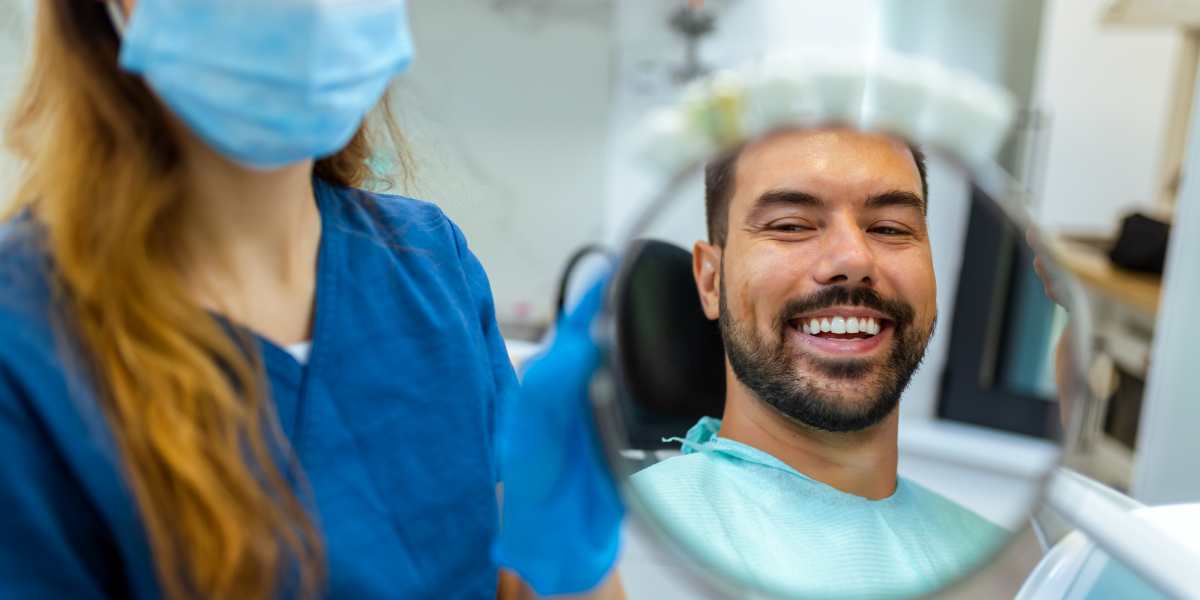
At Harcourt Dental Clinic, implant treatment is planned using a combination of 3D surface scans of your teeth and CBCT (3D) scans of your jaw. These two datasets are digitally combined to create a detailed, accurate model of your mouth. This allows us to plan treatment based on both:
A 3D scan (using an intraoral scanner) records:
This replaces traditional impressions and provides a highly accurate digital model.
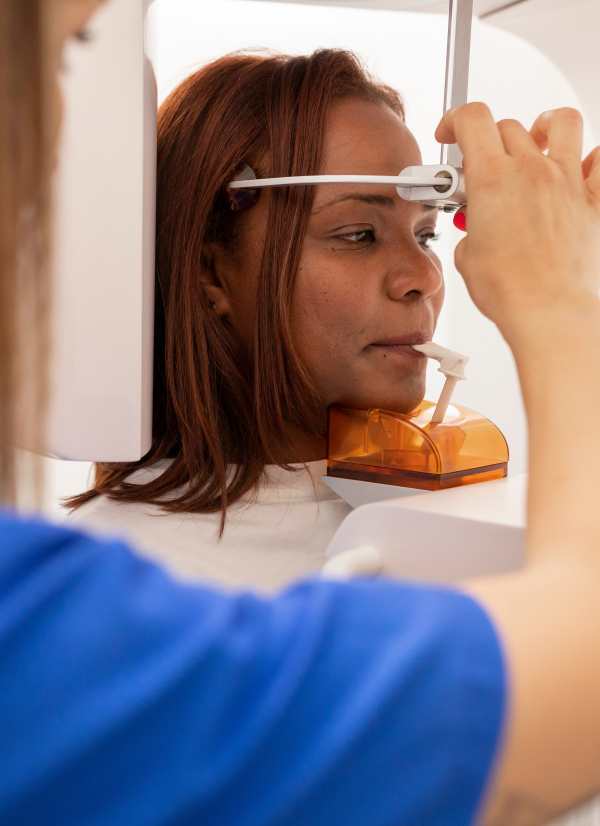
A CBCT scan is a 3D radiographic image that shows:
This allows us to assess whether implants can be placed safely and predictably.
From a digital plan, a custom surgical guide can be produced.
This is a precisely manufactured template that:
The 3D surface scan and CBCT scan are digitally aligned (“married”) to create a complete picture. This means we can plan:
Importantly, planning is done from the final result backwards — not just where bone is available.

Implants are not placed in isolation — they are placed to support a final crown, bridge, or denture. By planning digitally:
This type of digital planning is particularly important in:
Careful planning helps ensure that surgical and restorative aspects are aligned from the beginning.
By combining 3D scans with CBCT imaging and using surgical guides, implant treatment can be planned and carried out with a high level of precision. This structured approach helps improve accuracy, predictability, and long-term outcomes.

We’re proud to be a trusted part of our patients’ oral health journeys. Explore their testimonials to see how we’re creating positive dental experiences – one smile at a time.
Explore
I required some extensive dental work, which I had been catastrophising in my head for some time now. Having finally plucked up the courage, I consider myself extremely fortunate to have been cared for so professionally & competently by Lorna…

I had a great experience with Lorna. She was very competent, gentle and took the time to explain everything clearly. I’d highly recommend Lorna to anyone who feels anxious about visiting the dentist!
I’ve been a patient at Harcourt Dental Clinic for about 5 years now, and I couldn’t be happier with the service I’ve received. From the friendly and welcoming staff to the professional and skilled dentists, every visit has been a…
Martina is an excellent hygienist, professional, kind, and thorough. She made me feel completely at ease and did a fantastic job with my cleaning. I highly recommend her!
I would highly recommend this dental practice. They are very professional in every sense. Special shout-out for Cianna & Kevin, two highly skilled dentists.
I strongly recommend this dental practice. The reception staff are always friendly and polite. Dr Lorna Mahon and her assistant have been excellent in treating a quite difficult dental issue with great care and professionalism.


If you have a broken tooth or a cracked tooth, contact us for an assessment and a clear plan.

Follow us on social media for the latest updates, behind-the-scenes moments, and more.