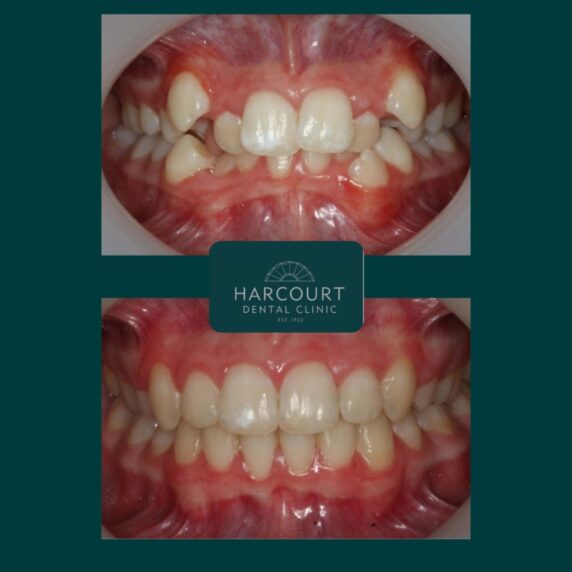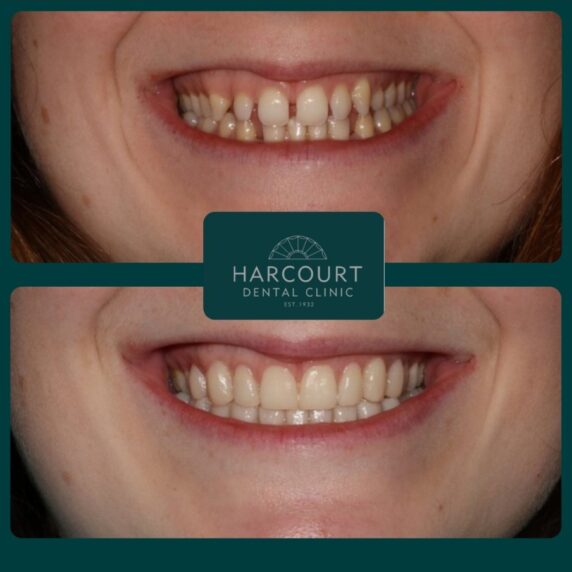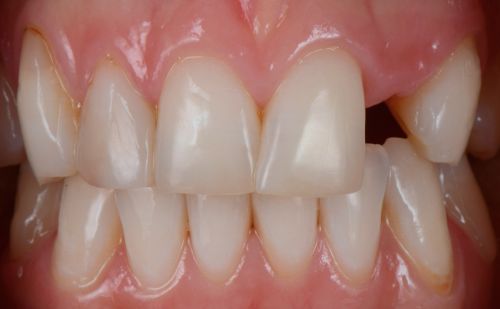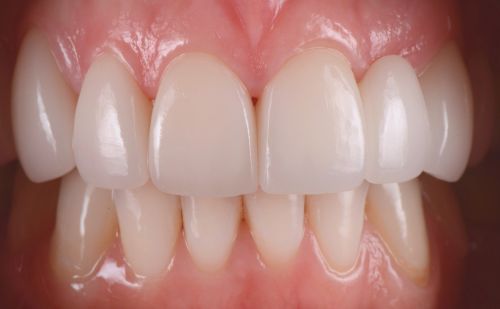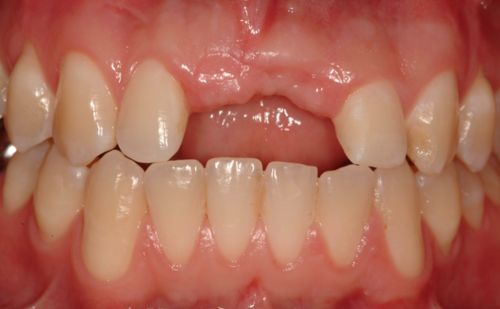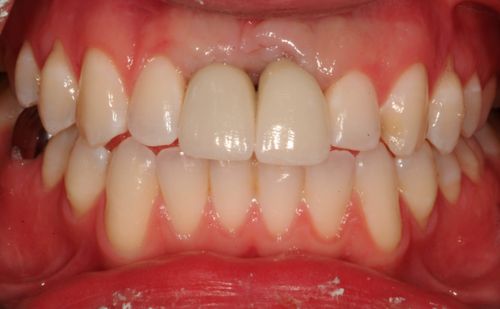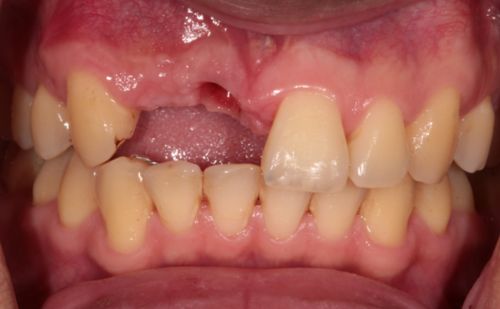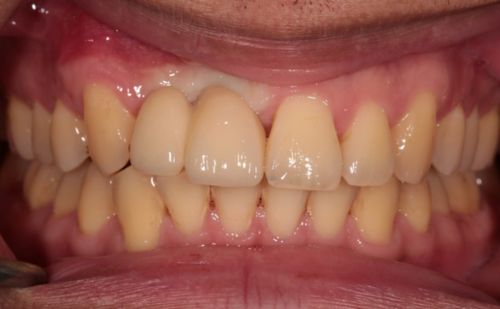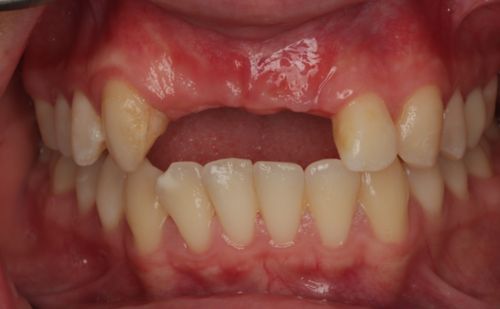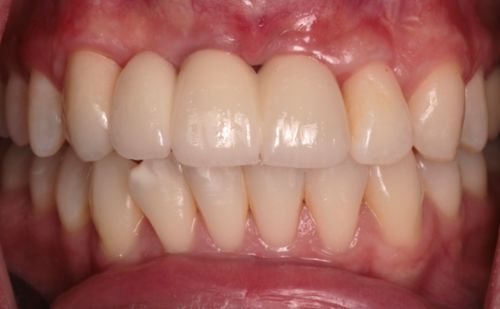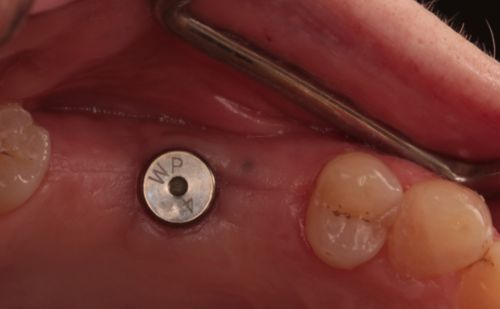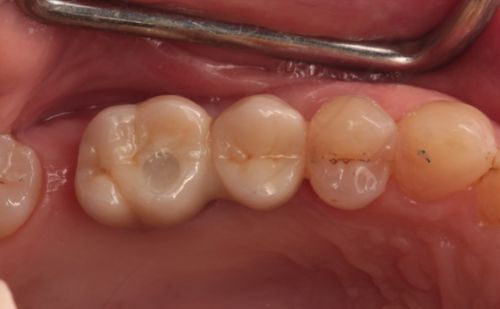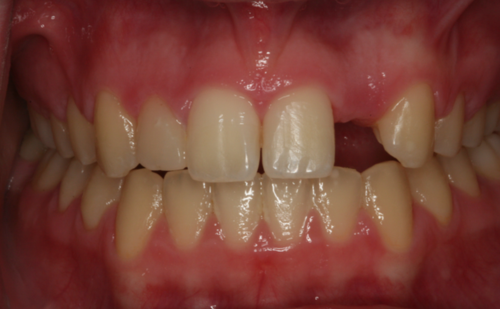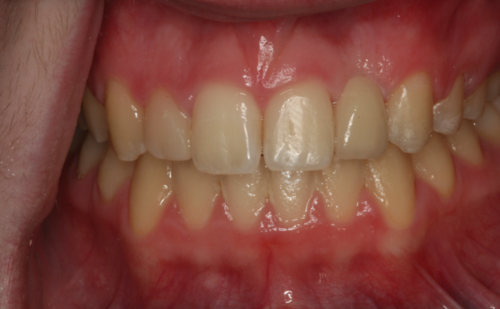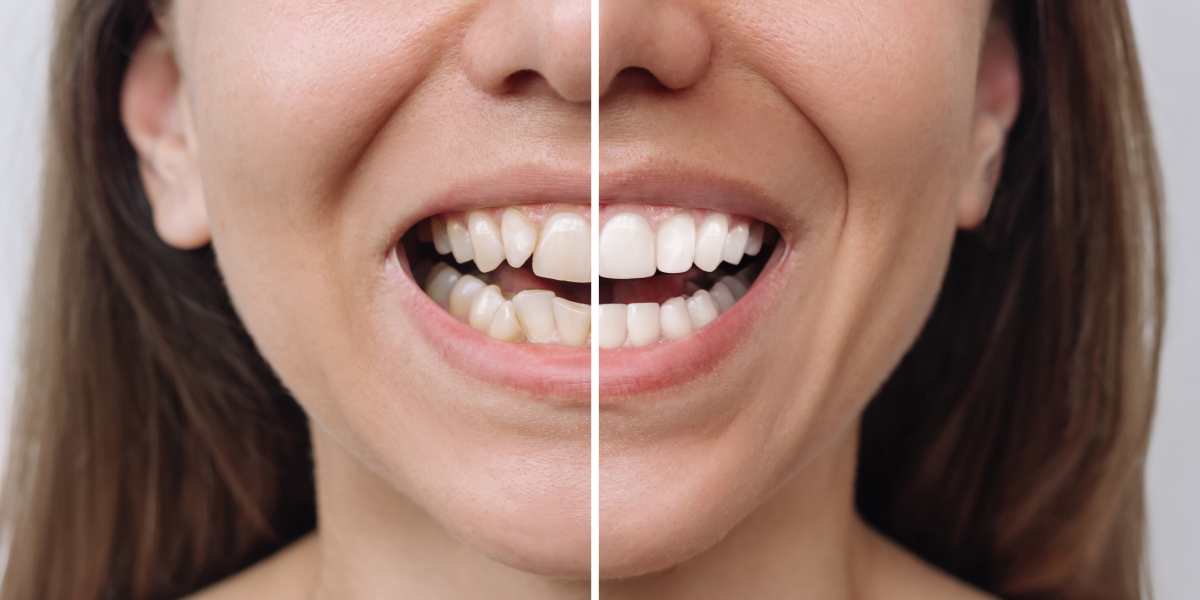
Teeth may shorten, chip, become sensitive, or start to fracture. Treatment is not “one size fits all”. The right approach depends on the cause of the wear, the bite, the amount of remaining enamel, and what you want to achieve.
At Harcourt Dental clinic, worn teeth treatment is planned and led by Dr Kevin Gilmore (prosthodontist). The focus is on stabilising the cause, rebuilding function and comfort, and achieving a natural-looking result that can be maintained long-term.
If you feel your teeth are wearing down, chipping, or your bite has changed, an assessment is the best starting point. We’ll explain what is happening and give you a structured plan.
Back to Worn Teeth & Bite Rehabilitation
Tooth wear is usually due to one or more of the following:
Most patients benefit from a staged approach. We start conservatively, test changes where appropriate, and only move to more extensive restorations when the foundations are stable.
Option 1: Stabilisation and protection
For mild to moderate wear, or as the first step in more advanced cases.
This stage often prevents further damage and buys time while we plan.
Option 2: Additive composite build-ups
Composite is often the most conservative way to rebuild worn teeth because it usually requires minimal drilling.
This may involve:
Composite can be an excellent long-term solution in suitable cases and can also serve as a stepping-stone to ceramic restorations if needed later.
Option 3: Ceramic onlays (cuspal coverage)
When back teeth are worn, cracked, or heavily restored, onlays/crowns can be a very strong and conservative option.
Onlays:
Option 4: Crowns (when full coverage is needed)
Crowns are used when a tooth needs full coverage for strength, shape, or long-term stability. They may be recommended when:
A crown should not be the automatic first step for worn teeth. The planning comes first.
Option 5: Creating space by adjusting the bite (planned bite changes)
One of the biggest challenges in tooth wear is that there may be very little space to rebuild the teeth. In those cases, we may need to create space carefully and predictably. This can involve:
Option 6: Orthodontics as part of the solution (when appropriate)
Sometimes, tooth alignment makes restorative treatment more conservative. Orthodontics may be recommended to:
Option 7: Multidisciplinary care (when needed)
Worn teeth can overlap with other issues:
Where appropriate, treatment is planned as a coordinated sequence, rather than isolated procedures.
Your assessment typically includes:
Where a bite change is planned, we will often “test” the changes before committing to final ceramic restorations.


Worn teeth treatment is an investment. Long-term success depends on:
We will advise you clearly on what maintenance is needed for your particular plan.

We’re proud to be a trusted part of our patients’ oral health journeys. Explore their testimonials to see how we’re creating positive dental experiences – one smile at a time.
Explore
I required some extensive dental work, which I had been catastrophising in my head for some time now. Having finally plucked up the courage, I consider myself extremely fortunate to have been cared for so professionally & competently by Lorna…

I had a great experience with Lorna. She was very competent, gentle and took the time to explain everything clearly. I’d highly recommend Lorna to anyone who feels anxious about visiting the dentist!
I’ve been a patient at Harcourt Dental Clinic for about 5 years now, and I couldn’t be happier with the service I’ve received. From the friendly and welcoming staff to the professional and skilled dentists, every visit has been a…
Martina is an excellent hygienist, professional, kind, and thorough. She made me feel completely at ease and did a fantastic job with my cleaning. I highly recommend her!
I would highly recommend this dental practice. They are very professional in every sense. Special shout-out for Cianna & Kevin, two highly skilled dentists.
I strongly recommend this dental practice. The reception staff are always friendly and polite. Dr Lorna Mahon and her assistant have been excellent in treating a quite difficult dental issue with great care and professionalism.


If you have a broken tooth or a cracked tooth, contact us for an assessment and a clear plan.

Follow us on social media for the latest updates, behind-the-scenes moments, and more.